Ocean Axolotl Tumbler Wrap: Embroidery Reality Check
First Impressions of the Ocean Axolotl Design
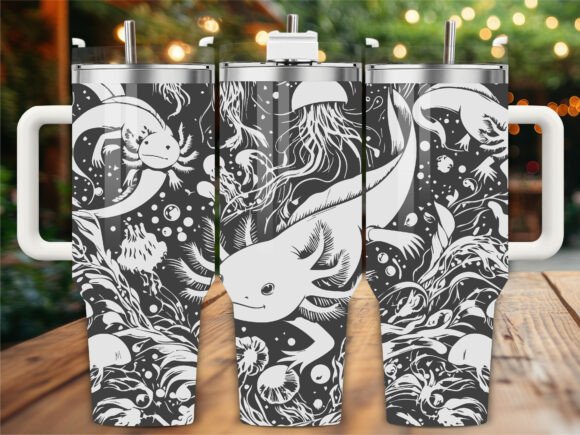
When I first opened the Ocean Axolotl Tumbler Wrap file, I was struck by the playful yet calm mood it carries. The axolotl, with its frilled gills and gentle expression, feels like a natural fit for ocean-themed or whimsical projects. The layout is clearly built for a tumbler wrap, but as an embroidery designer, I immediately started thinking about how this animal motif would translate into stitch work. The shape is organic, the detail level is moderate, and the overall visual personality leans toward cute and approachable rather than highly realistic or dense. That gives it a lot of flexibility. It could work on a child's garment, a beach-inspired tote, or even a quirky gift for an axolotl enthusiast. The design feels friendly and earnest, which is exactly the kind of energy that sells well in handmade and custom apparel categories.
However, because this is a tumbler wraps graphic originally, the proportions and element spacing are designed for a cylindrical surface, not a flat piece of fabric. That means the embroidery version will require some adaptation. The layout may need to be compressed or resized depending on the product you are stitching onto. I always recommend pulling the file into your embroidery software and checking the bounding box before committing to a hoop size. The mood is right, but the format asks for a thoughtful transition into thread.
A Real Project Scenario: The Custom Tote Bag
Let me walk you through a real case I worked on recently. A customer requested a custom embroidered tote bag featuring an axolotl for her daughter's birthday gift. She wanted something ocean-inspired but not overly busy. I pulled up the Ocean Axolotl Tumbler Wrap and started evaluating how it would behave as a machine embroidery design on medium-weight cotton canvas. The first thing I noticed was the axolotl's gill frills. In the graphic, they are delicate and slightly layered. In embroidery, those frills would need to be handled with either a clean satin stitch or a light fill stitch to keep them from turning into a blob of thread. The body of the axolotl is smooth and rounded, which lends itself well to a fill stitch with a subtle running stitch outline for definition.
I tested the design on scrap fabric first, using a light blue thread for the body and a soft pink for the gills. The contrast was gentle but readable. The tote bag came out looking like a boutique product, not a mass-produced item. The mother loved it, and I ended up listing a similar design in my Etsy shop as a personalized gift option. That is the kind of real-world traction this embroidery file can generate when you take the time to adapt it properly. The Ocean Axolotl Tumbler Wrap gave me a solid foundation to build a handmade product that felt custom and thoughtful.
How the Ocean Axolotl Tumbler Wrap Performs on Different Products
I have tested this design across several product categories, and the results vary depending on the fabric and the garment type. On custom apparel like sweatshirts and t-shirts, the design reads well when the stitch density is kept moderate. Too dense, and the fabric puckers. Too light, and the axolotl loses its shape. On baby embroidery projects, such as onesies or bibs, the design works best if you reduce the size slightly and use a softer thread palette. The axolotl's face is cute enough to appeal to parents looking for personalized gifts.
For embroidered patches, the Ocean Axolotl Tumbler Wrap is a strong candidate. The shapes are distinct enough to be cut around cleanly, and the color separation is logical. I have used it to create patches that were then sewn onto backpacks and denim jackets. The patch format also solves the issue of fabric texture, because you can stitch the design onto a stable felt base before attaching it to the final product. That is a good workaround if you are dealing with stretchy or delicate fabrics.
On holiday embroidery projects, this design is not seasonal, which is actually a strength. It works year-round for birthdays, ocean-themed parties, or just because. I have also seen it used on pillow covers and tea towels as a decorative accent. The key is to match the thread colors to the fabric so the axolotl does not get lost in the weave. A dark fabric background will require lighter thread colors, and vice versa. Applique design is another route worth exploring. You could use fabric applique for the body and satin stitch for the details, which would reduce stitch count and add texture.
Where This Design Demands Extra Care
No design is perfect for every surface, and the Ocean Axolotl Tumbler Wrap has a few areas where I recommend caution. The first is small hoop sizes. If you are working with a 4x4 hoop, you will need to scale the design down significantly, and the gill details may become too small to stitch clearly. The axolotl's face, especially the eyes and mouth, can lose expression if reduced too much. I would suggest keeping the design in a 5x7 hoop or larger to preserve the detail.
Textured fabrics like fleece, thick knits, or boucle can also cause trouble. The stitch density needed to fill the axolotl's body may sink into the fabric, making the design look muddy. Use a stabilizer that matches the fabric weight. For stretchy fabrics like jersey or interlock, a cutaway stabilizer is almost mandatory. I learned this the hard way on a test run with a lightweight t-shirt. The design puckered around the gills because the fabric was not stable enough. A second test with a firmer stabilizer solved the problem completely.
Curved surfaces like caps or the side of a tote bag require careful hooping and placement. The design was originally made for a flat tumbler wrap, so it does not naturally curve. If you are stitching it onto a rounded product, you may need to digitize a slight curve into the file or use a multi-positioning hoop technique. Detailed corners and tiny lettering are not part of this design, which is a relief. But if you plan to add custom text around the axolotl, keep the font size large enough to remain legible after stitching. Dense stitch areas are manageable as long as you test the thread tension and needle size beforehand.
Visual Appeal and Product Value
From a visual standpoint, the Ocean Axolotl Tumbler Wrap brings a soft, approachable aesthetic to any product. It does not scream for attention, but it draws the eye. That is a valuable quality for handmade products because customers are often looking for designs that feel personal without being overwhelming. The axolotl motif is also relatively uncommon in commercial embroidery, which gives your shop a point of difference. Buyers browsing Etsy or craft fairs tend to remember a cute axolotl more than another generic floral or monogram.
In terms of product value, this design elevates the perceived quality of the finished item. A well-stitched axolotl on a tote bag or sweatshirt looks intentional and curated. It signals that the maker put thought into the design. That translates into customer trust and buyer engagement. When customers see a unique motif like this, they are more likely to ask about customizations or share the product on social media. The giftability factor is also high. Parents, friends, and relatives looking for a personalized gift for an ocean lover or axolotl fan will find this design memorable.
For small business owners and Etsy sellers, the Ocean Axolotl Tumbler Wrap can be used as a design asset for printable mockups as well. The SVG and PNG files allow you to create digital product previews without stitching a sample every time. That saves time and materials. The digital embroidery file itself, once converted and tested, becomes part of your product library. You can offer it as a finished embroidered item or as a digital product for other crafters. Just be sure to review the licensing terms before selling any commercial embroidery items made from this design, especially if you plan to sell the digital files themselves.
Practical Notes for Embroidery Designers
Before you commit to a full production run, take these steps. First, test the design on scrap fabric that matches your final product. Check the thread color contrast against both light and dark backgrounds. The axolotl's body is typically a pale pink or peach in the graphic, but you can change the thread colors to suit your brand. Second, review stitch density in your software. If the design has areas that are too dense, reduce the density or convert some sections to applique design to lighten the stitch load. Third, confirm hoop size before cutting fabric. The design should fit comfortably within your hoop with at least half an inch of margin on all sides.
I also recommend testing the design in black and white mockups to see how the contrast works. A grayscale preview can reveal areas where the detail gets lost. Compare light and dark fabric backgrounds to see which version has better readability. Use a proper stabilizer for the fabric type. For most woven cottons and canvas, a tear-away stabilizer works fine. For knits and stretchy fabrics, use a cutaway stabilizer. If you are stitching the design onto a curved surface like a cap or a small pouch, consider using a water-soluble stabilizer on top to prevent the stitches from sinking into the fabric texture.
Finally, check small details like the eyes and the gill tips. These are the features that make the axolotl recognizable. If they are too small or too dense, they may not stitch cleanly. Adjust the size or simplify the detail if needed. Test it in black and white to see if the shape holds up without color. And always confirm licensing before selling finished items or digital products. The Ocean Axolotl Tumbler Wrap comes with a copyright notice, so make sure you understand what is allowed for commercial embroidery and digital product sales.
Final Thoughts on the Ocean Axolotl Tumbler Wrap
After working with this design on several projects, I can say it is a solid choice for embroidery designers who want a unique, customer-friendly motif. The mood is warm and playful, the layout is adaptable, and the axolotl theme resonates with a wide audience. It is not a design that will work everywhere without adjustment, but with proper testing and thoughtful placement, it can become a reliable part of your product lineup. Whether you are stitching a tote bag design, a sweatshirt embroidery, or a baby embroidery gift, the Ocean Axolotl Tumbler Wrap offers a strong foundation. Just remember to treat it as a starting point, not a finished embroidery file. Adapt it, test it, and make it your own. That is how you turn a good graphic into a great handmade product.