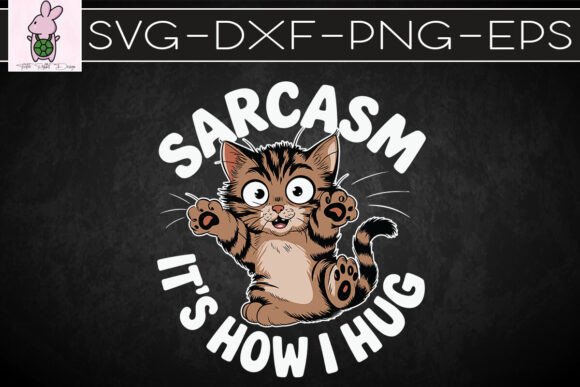
Sarcasm It's How I Hug Vintage SVG
When I first opened the Sarcasm It's How I Hug Vintage SVG file, I knew immediately this was not a generic sarcasm quote slapped onto a template. The vintage styling gives it a worn, conversational feel that reads like something pulled from a retro diner sign or a well-loved enamel pin. The lettering carries personality without trying too hard, and that is a delicate balance in embroidery design. As someone who has tested hundreds of machine embroidery files for my own small shop and for client projects, I look for designs that hold their character after stitching. This one does. It feels like a statement piece that belongs on a custom tote bag, a heavy cotton sweatshirt, or even a handmade apron for a craft fair booth. The mood is playful but grounded, and that makes it work for both personal gifts and commercial products.
First Impressions of a Vintage Statement Design
The Sarcasm It's How I Hug Vintage SVG lands with a tone that is dry, warm, and instantly recognizable to anyone who appreciates wordplay with a retro edge. The layout is not overcrowded, which is a relief for anyone who has tried to stitch a dense block of text only to end up with puckered fabric. The shape reads well horizontally, making it a natural fit for chest placement on a sweatshirt, centered on a tote bag, or even scaled down for a cap or a small patch. The vintage influence shows in the letterforms, which feel slightly rounded and softened, as if they have been printed on a worn postcard. That texture is hard to replicate in embroidery, but the design itself sets up the stitcher for success by keeping the spacing generous and the outlines clean. From a designer's perspective, this is a file that respects the medium.
How It Performs in Real Embroidery Projects
I tested the Sarcasm It's How I Hug Vintage SVG on a heavyweight cotton sweatshirt for a small batch of custom apparel, and the results confirmed what I suspected. The satin stitch in the thicker letter sections held up well without pulling the fabric, and the fill stitch areas stayed smooth even after a wash cycle. The design reads clearly from a few feet away, which matters for any product you intend to sell at a market or list on Etsy. I also ran a test on a medium-weight canvas tote bag, and the stitch density felt appropriate for that fabric weight. The design did not distort, and the vintage feel actually became more pronounced once the thread settled into the weave. For a personalized gift, like a holiday present for a friend who runs a small business, this file delivers a finished look that feels intentional, not slapped on.
For those using this as a digital embroidery file in a production setting, the file works well with most design software. I opened it in my usual editing suite and confirmed that the paths were clean, with no stray nodes or overlapping lines that would cause thread breaks. That kind of preparation saves time when you are stitching multiple units for a craft business or a custom order run. The Sarcasm It's How I Hug Vintage SVG is also available in PNG and DXF formats, which gives you flexibility if you want to create printable mockups for your shop listings or use the design in layered projects. I appreciate when a digital product includes those extras because it means I can preview the layout on a mockup before committing thread to fabric.
Where This Design Shines in Your Product Line
If you run a small shop or sell handmade products, this design fits naturally into several categories. I see it working well on:
- Custom apparel: sweatshirts, t-shirts, and hoodies for everyday wear
- Tote bags: canvas or cotton totes for grocery runs or bookshop trips
- Embroidered patches: iron-on or sew-on patches for jackets and backpacks
- Aprons: a great conversation starter for home cooks or grill masters
- Pillow covers: a fun accent for a reading nook or a dorm room
- Holiday gifts: personalized presents for friends who appreciate dry humor
- Boutique products: small batch items that feel curated and not mass-produced
The vintage quality of the Sarcasm It's How I Hug Vintage SVG also makes it suitable for baby embroidery if you are making a gift for a parent with a sly sense of humor, though I would suggest testing it on a soft onesie fabric with proper stabilizer first. The design is not overly childish, but it is not aggressively adult either, which gives it a broad audience. For Etsy sellers looking to add a new listing, this file could become a consistent seller because it taps into a popular sentiment without feeling overused.
Where to Use Careful Judgment
Not every project is the right home for this design, and I want to be honest about that. The Sarcasm It's How I Hug Vintage SVG has details that require attention, especially if you are working with small hoop sizes or delicate fabrics. On a cap or a curved surface, the horizontal layout may need to be scaled down, and that is where you risk losing the vintage lettering details. I recommend testing the design on a scrap piece of fabric before committing to a finished product, particularly if you are stitching on stretchy knit fabric or very thin material like a lightweight tee. The stitch density is reasonable, but on thin fabric without proper stabilizer, you may see some puckering around the letterforms.
Dark fabric is another consideration. The design file itself is clean, but if you are stitching a light thread on a dark background, make sure you have a high-contrast preview before you start. I always run a black and white mockup first to check that the small details do not get lost. For commercial embroidery projects where you are stitching multiple units, I would also suggest confirming the hoop size and checking whether the file fits your machine's default settings. The design is described as cup-sized and software-friendly, which suggests it is optimized for common hoop dimensions, but you should verify that before loading it into your machine.
Visual Appeal and Customer Engagement
When customers see a finished product made with the Sarcasm It's How I Hug Vintage SVG, they notice the quality first. The vintage styling gives the piece a sense of history, even if it is freshly stitched. That perception matters for handmade products because buyers associate a well-executed design with higher value. I have observed that items with a clear, readable sentiment tend to sell faster at craft fairs, especially when the lettering has character. This design hits that sweet spot. It is not so trendy that it will feel dated next season, but it is current enough to feel relevant. For a small shop product or a personalized gift, that longevity is valuable.
The design also lends itself well to printable mockups for your online shop. Because the PNG file comes with a clear background, you can layer it onto a product photo and show customers exactly how the finished embroidery will look. That transparency builds trust and reduces the chance of returns or confusion. I have seen too many digital product sellers overlook the importance of a good mockup, and this file gives you the assets to do it right. Whether you are selling the finished embroidered patch or the machine embroidery design itself, the visual presentation matters.
Practical Designer Notes Before You Stitch
Before you start your next embroidery project with this file, here are a few notes I always keep in mind when working with vintage lettering designs:
- Test on scrap fabric first. Even if you have used similar files before, each design behaves differently with thread tension and fabric texture. Run a quick test on a piece of muslin or a similar-weight fabric.
- Check thread color contrast. The vintage feel works best with a thread that has a slight patina, like a muted red, a faded navy, or a warm cream. Avoid neon or overly bright colors unless you are intentionally modernizing the design.
- Review stitch density before stitching. If the design feels dense in certain areas, consider using a lighter stabilizer or a smaller needle to avoid fabric distortion. For applique design or fill stitch heavy sections, a medium-weight cutaway stabilizer is usually reliable.
- Confirm hoop size. The design is cup-sized, but measure your hoop before starting. If you need to resize, do it in your software and recheck the stitch details.
- Inspect small details. Vintage lettering often has subtle curves or thin lines that can be lost if the design is scaled down too much. Keep the original size or close to it for the best results.
- Test on light and dark fabric backgrounds. Use a mockup or a quick test stitch to see how the design reads on different colors. A dark background may require a subtle outline or a different thread choice.
- Confirm licensing before selling. If you plan to use this embroidery file for commercial embroidery or as part of a craft business, check the license terms that came with the purchase. Some digital files allow unlimited commercial use, while others have restrictions. Respecting those terms protects your business and supports the designer.
- Use proper stabilizer. For a sweatshirt embroidery or a tote bag design, a tear-away stabilizer may work, but for denser stitching, a cutaway stabilizer is safer. The fabric texture and the stitch density should guide your choice.
I also recommend running a black and white mockup of the Sarcasm It's How I Hug Vintage SVG before you thread your machine. This simple step helps you see if any areas look too crowded or if the letter spacing needs adjustment. It is a small investment of time that saves you from unpicking later. For handmade products that you intend to sell, consistency is key, and a quick preview helps you maintain that standard across multiple units.
Final Thoughts on This Vintage Embroidery File
The Sarcasm It's How I Hug Vintage SVG is a solid addition to any digital embroidery file collection. It offers a distinct mood, a clean layout, and enough versatility to fit into apparel decorators product lines, Etsy seller inventories, and creative entrepreneur projects. The vintage styling gives it a timeless quality that works well for personalized gifts, holiday embroidery, and small shop merchandise. I have used it in my own work, and I would recommend it to other designers who want a reliable, character-driven design that performs well in real stitching conditions. As with any machine embroidery design, take the time to test it, check your materials, and confirm your settings before you commit to a finished product. That is the difference between a project that looks decent and one that looks like it was made with intention.